

How to Choose the Best Shopify Expert for a Fashion Brand (2026 Guide)

Finding the Best Shopify Expert for Your Fashion Brand – Start Here
The fashion industry has undergone significant transformation due to the rise of e-commerce, with brands needing to adapt quickly to online shopping trends. In 2026, finding the best Shopify expert for a fashion brand is more critical than ever. This guide is designed specifically for fashion brand owners, managers, and marketers who want to ensure their online store stands out in a crowded digital marketplace. Choosing the right Shopify expert is essential for fashion brands in 2026 because the right partner can elevate your brand identity, optimize for mobile-first shoppers, and implement advanced features that drive sales and loyalty.
A Shopify expert is a professional or agency with specialised knowledge in building, customising, and optimising Shopify stores. Several top-tier Shopify expert agencies specialise in working with fashion, apparel, and lifestyle brands. Fashion brands require experts with a deep understanding of high-velocity retail and visual storytelling—qualities that go far beyond basic web development.
With Shopify now powering over 5.5 million live stores and capturing approximately 29% of global e-commerce market share, competition for consumer attention has never been fiercer. Shopify generated $8.88 billion in revenue in 2024 with a robust 26% year-over-year growth rate, cementing its position as the dominant force in direct-to-consumer commerce. For fashion brands, this growth translates into both opportunity and pressure—the opportunity to reach millions of shoppers through a mature platform, and the pressure to stand out in an increasingly crowded marketplace.
Finding the best Shopify expert for a fashion brand is not about hiring the first developer who can set up a basic theme. It requires finding someone who understands that fashion e-commerce operates by different rules than selling electronics, home goods, or supplements. To truly succeed, fashion brands need to hire Shopify developers and hire Shopify experts—specialized professionals who can customize themes, optimize site performance, and enhance user experience to meet the unique demands of the fashion industry. This guide is specifically for fashion brands—whether you operate in streetwear, luxury fashion, DTC basics, or boutique labels—who need a “best-fit” Shopify expert rather than a generic web developer.
When we talk about “best” in this context, we mean experts who bring four essential qualities: a strong fashion aesthetic that elevates your brand identity, conversion-driven UX that turns browsers into buyers, deep mastery of the Shopify platform and its 2.0 architecture, and a working understanding of fashion merchandising and content requirements. A visually appealing store that converts at 0.8% is not a success—it is expensive art.
What Makes a Shopify Expert 'Best' for Fashion Brands? (Quick Summary)
The most important qualities and skills of a top Shopify expert for fashion brands:
-
Mobile-first design: Mobile traffic has surpassed desktop, making responsive, touch-friendly navigation and fast load times essential.
-
Visual storytelling: Experts understand that fashion is an emotional purchase and build brand loyalty through editorial layouts and shoppable Instagram feeds.
-
Shoppable Instagram feeds: Integration of social content directly into the store to drive engagement and conversions.
-
Clean color swatch selectors: Instantly update product images for apparel sales, improving user experience and reducing friction.
-
Mobile optimization: Ensures seamless browsing and shopping across all devices, crucial in today’s mobile-first world.
-
Advanced features: Implementation of size guides, fit finders, custom shipping, and virtual try-ons tailored for fashion.
-
Balancing aesthetics with performance: Customizing themes and optimizing layouts for both beauty and speed, enhancing user experience and conversion rates.
-
Technical proficiency: Deep knowledge of Shopify theme customization, Liquid templating, and platform limitations to deliver high-performing, scalable stores.
This guide will cover:
-
The unique role of a fashion-focused Shopify expert and why generalists fall short
-
Core attributes to evaluate when reviewing expert portfolios and proposals
-
A step-by-step hiring process matched to your project stage and budget
-
Realistic costs and timelines for fashion builds in 2026
-
How to collaborate effectively from initial brief through launch and beyond
Why Fashion Brands Need a Specialist in Shopify Development (Not Just Any Developer)
Fashion e-commerce carries demands that most industries never encounter. Seasonal drops require rapid merchandising updates across dozens or hundreds of SKUs. Lookbooks and campaign imagery must load flawlessly while telling a visual story. Size and fit complexities drive return rates 20-30% higher than other categories, eating into margins. International customers expect multi-currency checkout, localized shipping options, and sometimes multiple language storefronts.
A fashion-focused Shopify expert balances aesthetics with performance in ways that general developers simply cannot. They understand that a homepage hero image at 5-10MB will destroy mobile load times, and that 70% of traffic from TikTok and Instagram arrives on phones with variable connection speeds. They know that unclear sizing information accounts for roughly 60% of apparel cart abandonment. They build stores where editorial storytelling and conversion optimisation work together rather than competing.
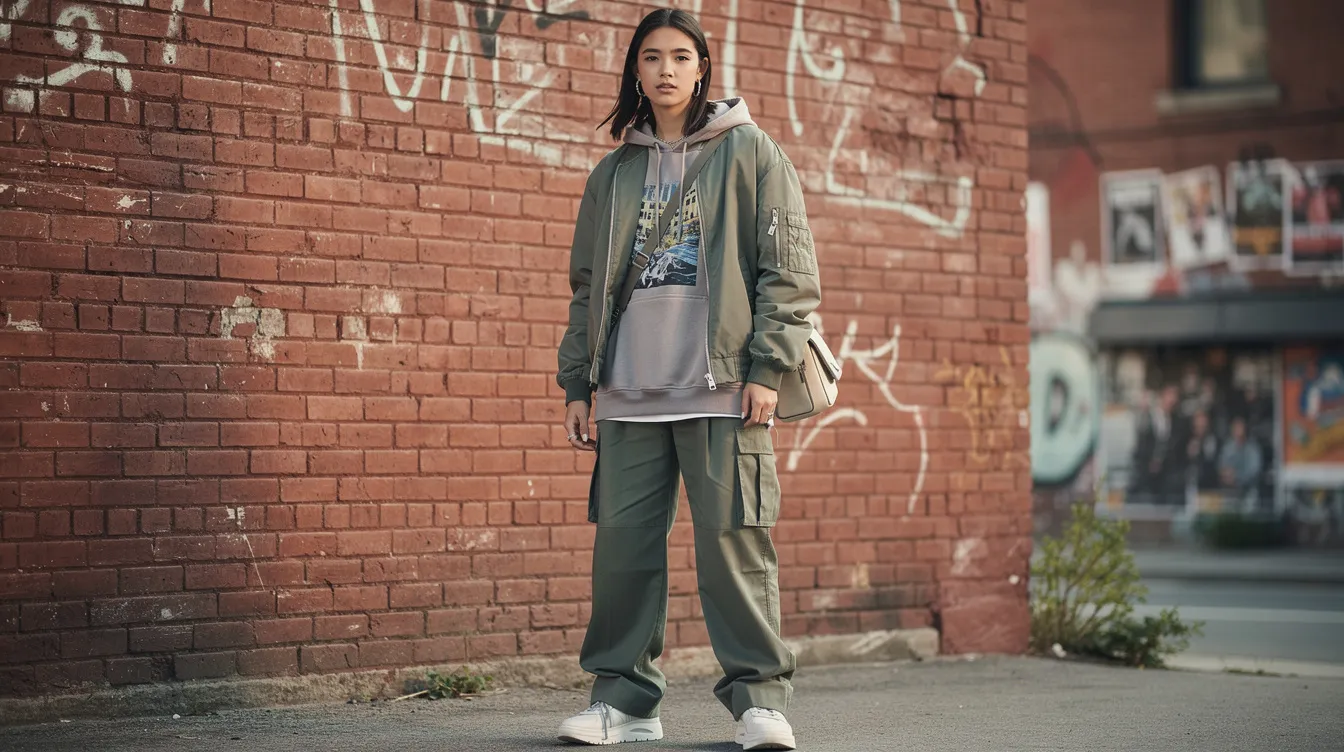
Consider what “done right” looks like in practice. Gymshark scaled to over $500 million in annual revenue through optimised drop mechanics and community-driven marketing—all powered by their Shopify infrastructure. Allbirds achieves 2.5%+ conversion rates by weaving sustainability storytelling directly into their product detail pages. SKIMS leverages Shopify Plus for celebrity-driven campaigns with real-time inventory synchronisation across channels. These brands did not reach these numbers with generic template stores.
A general web developer may deliver a functional Shopify website that technically works. A fashion-focused expert builds an ecommerce store that actively sells—generating higher conversion rates, higher average order value, and stronger repeat purchase behavior. The difference between a 1.2% and 2.3% conversion rate on a store doing $50,000 monthly in traffic can mean hundreds of thousands in annual revenue.
Fashion-specific features require specialized implementation knowledge. Size guides need to display model measurements contextually. Fit finder tools must integrate with product variants and metafields. Editorial content like lookbooks and campaign pages should feel native to the shopping experience rather than disconnected blog posts. Pre-order functionality for limited drops needs to communicate scarcity while managing inventory expectations. These are not checkbox features—they require shopify expert developers who understand both the platform’s capabilities and fashion consumer behaviour.
Core Attributes of the Best Shopify Expert for a Fashion Brand
When reviewing portfolios and proposals, use this checklist to separate true fashion experts from developers who happen to have built a clothing store once. Each attribute should be demonstrable through their previous work, not just claimed in sales conversations.
Fashion UX and UI sensibility means the expert understands how to present collections as editorial narratives, not just product grids. Look for evidence of outfit bundling modules, drop countdown timers that create urgency without feeling spammy, and homepage layouts that guide the eye toward seasonal priorities. Their collection pages should make shoppers want to browse, not just filter.
Deep understanding of Shopify 2.0 includes JSON templates for reusable sections, metafields for rich product data beyond basic descriptions, and Liquid templating for conditional display logic. This technical foundation enables the kind of dynamic merchandising fashion brands need—like automatically sorting “new arrivals” by launch date or hiding sold-out variants from collection pages.
Proven CRO mindset shows up in how the expert talks about their work. Do they mention A/B testing tools? Can they reference heatmap analysis that informed design decisions? The best fashion Shopify experts tie UX changes to specific metrics, explaining how moving the add-to-cart button into the thumb zone lifted mobile conversions by 30% or how a checkout redesign reduced abandonment by 15%.
Mobile-first design expertise is non-negotiable when 65% of fashion traffic originates from Instagram and TikTok. Look for sticky add-to-cart buttons, swipeable product galleries, and navigation patterns optimized for one-handed browsing. If their portfolio sites feel clunky on your phone, walk away.
High-quality media handling separates amateurs from professionals. Fashion demands large, beautiful imagery—but not at the expense of Core Web Vitals. Expert developers implement lazy loading, WebP compression, and CDN optimization to maintain LCP scores under 2.5 seconds even with 360-degree product spins and video content.
Team collaboration skills matter because Shopify store development rarely happens in isolation. Your expert needs to work with brand designers through Figma handoffs, communicate with marketing teams about campaign requirements, and coordinate with operations on inventory integrations. The best Shopify experts for a fashion brand also provide custom solutions tailored to your unique needs, including personalized integrations and performance enhancements that elevate the user experience. Ask about their project management tools and communication rhythms.
Operations knowledge rounds out the ideal profile. The best experts understand inventory API connections with 3PLs like ShipBob, returns portal integrations via apps like Loop or Gorgias, and international expansion through Shopify Markets. Fashion brands expanding into the EU can unlock 15% additional revenue—but only with proper localization infrastructure.
Technical skills that matter specifically for fashion include collection filtering by size and color using Shopify Search & Discovery, variant swatches with color-accurate previews, back-in-stock alert functionality, and merchandising rules that automatically prioritize bestsellers and new arrivals. These features can reduce abandonment by 10-20% when implemented correctly.
How to Choose the Right Shopify Expert for Your Fashion Brand
Selecting the right expert follows a practical framework that any founder or ecommerce manager can apply. Start by understanding where your project sits on the complexity spectrum—whether you’re planning a new shopify project to launch your store or developing an existing Shopify-based e-commerce store for growth.
Define your project stage. A brand-new streetwear label launching in Q4 2026 needs rapid prototyping and a conversion-focused foundation. An established fashion brand redesigning their store needs a CRO audit before any visual work begins. A growing label preparing for Shopify Plus migration before Black Friday needs expertise in checkout extensibility and high-volume operations. Each scenario demands different capabilities and experience levels.
Decide on expert type. Freelance Shopify developers (available through platforms like Toptal at $60-150/hour) suit brands with budgets under $10,000 who need focused help on theme customization or specific features. They offer speed and cost efficiency but typically lack capacity for comprehensive projects or ongoing support. Boutique studios specializing in fashion (like Whole Design Studios with 500+ projects and strong Shopify ratings) offer the balance of design sophistication and marketing awareness that growing DTC brands need, typically at $15,000-40,000 for full builds. Larger agencies with fashion specialization (like Eastside Co, working with fashion brands since 2012) provide end-to-end capabilities for enterprises needing complex EU rollouts or multi-market expansion, though expect budgets starting at $40,000.
Match budget and timeline to ambitions. If your plans include multi-region expansion, custom checkout flows, or integration with enterprise systems, you need a Shopify agency with Plus experience. If you need a clean, effective store setup for a single market with limited SKUs, a skilled freelancer can deliver excellent results. The mistake is hiring enterprise-level capacity for boutique needs (overspending) or hiring boutique capacity for enterprise needs (underdelivering).
Shortlist three to five candidates. Use the Shopify Experts directory and filter for fashion-specific portfolios with work completed after 2022. Look for case studies showing concrete results—conversion rate improvements from 1.4% to 2.3%, revenue lifts tied to UX changes, or mobile PDP screenshots demonstrating thoughtful variant swatch implementation. Agencies like Netalico specialize in $2-50M DTC migrations and publish detailed case studies you can reference.
When comparing your shortlist, consider that freelance experts excel for theme tweaks and limited scope work (pros: lower cost of $3-7K, agility; cons: limited post-launch support; best for small boutiques starting out). Micro-agencies with fashion focus deliver custom Shopify development for serious DTC growth (pros: deep CRO expertise, fashion sensibility; cons: 8-12 week timelines; best for growing streetwear or contemporary labels). Full-service agencies handle Shopify Plus migrations and international expansion (pros: scalability, complex integrations; cons: higher investment of $40K+; best for established fashion brands entering new markets).
Evaluating Portfolios and Case Studies: Fashion-Specific Red Flags & Green Flags
Portfolio review is where most fashion founders either find a great partner or make a costly mistake. The work speaks louder than any sales pitch, but only if you know what to look for.
Green flags signal expertise. Recent fashion work from 2023-2025 with modern layouts shows the expert stays current with platform capabilities and design trends. Look for evidence of Shopify web design expertise—especially in creating visually appealing, user-friendly online stores tailored for fashion brands. Stores featuring dynamic hero sections, not static banners that feel dated, are a plus. Strong collection and product pages with clear size and fit information indicate understanding of fashion’s unique challenges—embedded size charts with model measurements, fit quiz integrations, and contextual guidance reduce returns and build purchase confidence. Evidence of performance improvements matters enormously: references to load time reductions (like cutting from 4 seconds to 1.8 seconds, which one Shopify expert agency documented as yielding 15% revenue gains) or conversion rate increases prove the expert measures what matters. Consistency between desktop and mobile experiences—where thumb-optimized navigation on mobile matches the elegance of desktop browsing—shows attention to the seamless shopping experience your customers expect.
Red flags demand attention. Overly generic templates with no sense of brand identity suggest the expert applies the same basic theme setup to every client regardless of positioning. Poor image optimization causing load times above 5 seconds on 4G connections creates a 53% abandonment risk you cannot afford. Cluttered navigation with confusing category structures (like overlapping “New In” and “Drops” categories that confuse shoppers) shows weak information architecture. Most critically, portfolios with zero mention of analytics, CRO, or post-launch testing indicate an expert focused on delivery rather than outcomes.
Consider this mini-scenario comparing two Shopify web designer candidates. Agency A redesigned a mid-market womenswear label’s product pages with integrated fit quizzes and video content, achieving a 2.1% conversion rate. Agency B delivered static images with minimal customization for a similar brand, reaching only 1.2% conversion. Heatmap analysis on Agency A’s work showed 40% more scroll depth on PDPs and a 25% AOV lift from “complete the look” bundles. The stores cost similar amounts to build. The revenue difference over a year exceeds six figures. This is why portfolio evaluation matters.
Design & UX Essentials for Shopify Fashion Stores
Fashion brands compete on visual impact and ease of shopping. UX mistakes do not just frustrate customers—they directly reduce revenue. Understanding the key components of effective fashion ecommerce design helps you evaluate expert proposals and hold your Shopify web developers accountable. Shopify theme development is crucial here, as tailored, optimised themes not only reflect your brand identity but also enhance user experience and conversion rates.
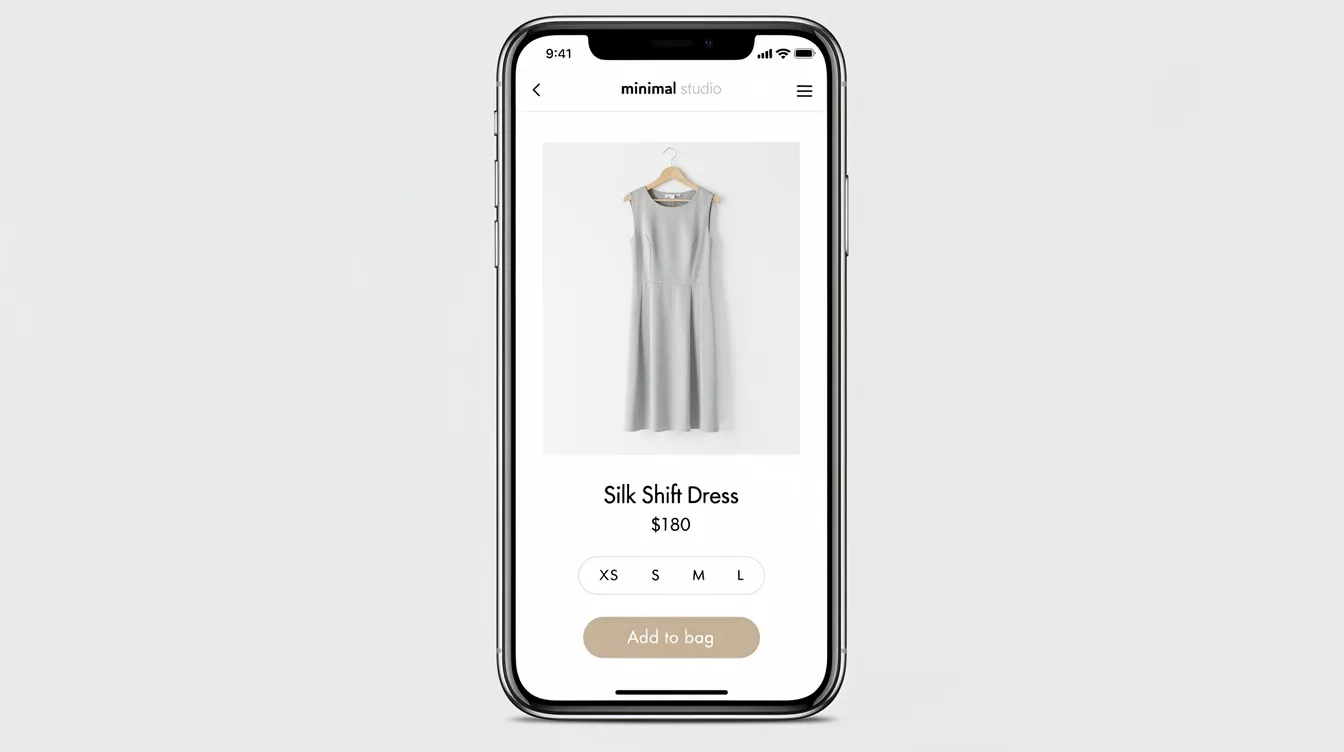
The homepage functions as your digital runway. Effective fashion homepages use parallax hero sections (which can generate 70% higher engagement than static images) to communicate seasonal campaigns immediately. “New In” carousels showcase fresh arrivals while editorial content embeds establish brand storytelling. The best experts create homepages that feel like immersive brand experiences, not just product catalogs.
Collection pages enable discovery. Smart filters allow shoppers to narrow by size and colour using swatches from apps like Smart Product Filter, while intelligent sorting surfaces trend-relevant products first. Quick-add functionality lets browsers add items to cart without leaving the collection page, cutting the path to purchase by 50%. The responsive web design must feel equally intuitive whether browsing on a laptop during lunch or a phone during a commute.
Product detail pages close the sale. Fashion PDPs need seven or more zoomable images showing garments from every angle. 3D and 360-degree views (enabled through tools like Threekit) can reduce returns by 30% by giving customers confidence in what they are purchasing. Size guides with model measurements, care instructions, and fabric composition—all powered by metafields—address the information gaps that drive sizing-related abandonment. Cross-sell modules like “Complete the Look” bundles lift AOV by 15-25% when executed well.
Cart and checkout demand low friction. Express payment options including Shop Pay, Apple Pay, and PayPal can improve checkout completion by 20%. Dynamic bundling at checkout (“Add matching accessories?”) captures additional revenue at the moment of highest purchase intent, with take rates around 18% for well-positioned offers.
Mobile patterns align with thumb-friendly navigation. Sticky add-to-cart buttons remain visible as shoppers scroll through product images. Swipeable galleries feel native to Instagram-trained users. Navigation accessible from the thumb zone keeps the shopping flow uninterrupted.
For 2025-2026, leading certified Shopify experts integrate vertical video from TikTok and Instagram Reels directly into product discovery. Whether through Hydrogen frontends or embedded app solutions, shoppable video content captures the attention of social-native shoppers who expect interactive elements beyond static imagery.
Technical Skills Your Fashion Shopify Expert Should Have in 2026
Design captures attention; technical execution delivers revenue. The best Shopify designer combines aesthetic sensibility with a deep understanding of Shopify's ecosystem—including Liquid coding, theme customization, app integrations, and backend processes—and the infrastructure required for high performing ecommerce solutions.
Shopify 2.0 theme architecture enables modular, flexible stores through JSON templates. This approach allows marketing teams to drag-and-drop sections for campaign pages without developer involvement for every update. Your expert should demonstrate fluency in building custom sections that business users can configure independently.
Liquid templating powers advanced merchandising and content control. Conditional logic displays “Pre-Order” badges only when inventory reaches zero, hides sold-out variants from collection filters, and rotates promotional messaging based on customer segments or dates. This custom development capability separates functional stores from revenue-optimized ones.
Metafields for product storytelling transform basic product pages into rich content experiences. A fashion-focused expert uses metafields to display fabric composition (“90% organic cotton”), care icons, sustainability certifications, and fit recommendations dynamically. These details build trust and reduce the uncertainty that drives returns—boosting confidence by an estimated 15%.
Performance optimization protects the user experience against the weight of fashion imagery. Lazy loading defers offscreen images until needed. CDN optimization serves assets from geographically proximate servers. Image compression through WebP format maintains visual quality while reducing file sizes. The target is PageSpeed scores above 95, ensuring your online store loads fast even for customers on mobile networks.
Integration expertise connects your Shopify store to the tools driving modern fashion commerce. Klaviyo integration enables email flows responsible for up to 40% of revenue for some brands. Gorgias powers customer service with 25% faster resolution times. Loop Returns handles the inevitable apparel refunds smoothly. Size recommendation apps like True Fit reduce sizing uncertainty. Your expert should have proven experience with these app integrations.
Shopify-specific capabilities include building custom filters with Shopify Search & Discovery for intuitive size and color navigation, and leveraging checkout extensibility on Shopify Plus for custom upsells and loyalty program integrations. Custom Shopify themes built on these capabilities become competitive advantages rather than just functional storefronts.
Marketing, SEO, and Retention Capabilities to Look For
The best Shopify expert for fashion does not operate in a vacuum—they build with digital marketing, retention, and discoverability in mind from day one. A beautiful store that search engines cannot find or that leaks customers at every touchpoint fails to deliver on its potential.
On-page SEO fundamentals include metadata optimization for collection and product pages, structured data markup that generates rich snippets in search results (lifting click-through rates by approximately 20%), and clean URL structures. Your expert should understand how search engine optimization principles apply specifically to fashion product catalogs with hundreds or thousands of SKUs.
Email and SMS readiness means building infrastructure for Klaviyo or similar platforms from launch. Drop announcement flows with 30% open rates, abandoned cart sequences, winback campaigns, and VIP programs all require proper tracking and segmentation setup. The store setup must support these customer journey touchpoints natively.
Paid advertising expertise is essential—your Shopify expert should be skilled in creating and managing paid media campaigns, especially for ecommerce brands. This includes optimising campaign performance through social media management and conversion optimisation, ensuring your paid efforts deliver maximum ROI.
Paid social landing pages tailored to campaigns on Meta and TikTok allow performance marketing teams to drive traffic to optimized experiences. During Black Friday 2024, brands with Shopify experts who built dedicated landing pages saw 3x ROAS improvements compared to generic collection pages.
Influencer and UGC integration through shoppable galleries captures the social proof that drives fashion purchases. Embedding customer photos and influencer content on product pages can increase engagement by 25%.
Analytics infrastructure with Google Analytics 4, Shopify’s native reports, and heatmap tools like Hotjar or Microsoft Clarity enables ongoing conversion rate optimization. Your expert should configure these tools properly and explain how to use the data for continuous improvement.
Budget & Timelines: What Fashion Brands Should Expect in 2026
Under-investing in your Shopify build can cost more in lost revenue than you save upfront. A slow store that converts at 1% instead of 2.5% forfeits hundreds of thousands in annual sales for a midsize fashion brand. Think of Shopify development as revenue infrastructure, not just a project cost.

Price ranges for 2026 fashion builds:
|
Project Type |
Budget Range |
Typical Scope |
|---|---|---|
|
Light theme customisation |
$3,000 - $15,000 |
Small fashion label, existing theme, limited custom features |
|
Full customised theme + integrations |
$15,000 - $50,000 |
Growing DTC brand, 500+ SKUs, custom designs, key integrations |
|
Shopify Plus fashion builds |
$50,000+ |
Enterprise operations, advanced checkout, multi-market expansion |
Realistic timeline bands:
|
Project Complexity |
Duration |
|---|---|
|
Basic launch |
3-5 weeks |
|
Standard brand launch or redesign |
8-12 weeks |
|
Complex migration or multi-region rollout |
3-6 months |
Factors affecting both cost and time include number of SKUs and variants (10,000+ variants can inflate costs by 20%), photography readiness (unready assets add 2 weeks), editorial content requirements like lookbooks and campaign pages, integrations with 3PL systems or ERPs (+15% cost typical), and multi-language/multi-currency setups through Shopify Markets.
Consider a mid-market fashion brand planning a September 2026 collection launch. Working backwards: launch in early September requires completion of QA and soft launch in late August. An 8-12 week build means development should begin by early June. Discovery and design phases add 3-4 weeks, pushing project kickoff to May. Initial conversations with expert Shopify developers should therefore happen in March or April at the latest. Compressed timelines force compromises that show up in conversion rates for years.
How to Brief and Collaborate with Your Shopify Expert from Strategy to Launch
Even the best Shopify expert will struggle without a clear, structured brief and collaboration process. The quality of your inputs directly shapes the quality of outputs.
Phase one: Discovery and brand immersion. Share moodboards, competitive analysis (how does your brand differ from Gymshark or ASOS?), target customer personas, and firm launch dates. Provide brand guidelines, photography plans, initial collection structures, and key markets you plan to serve (US only? US and UK? EU expansion?). Document must-have Shopify features like pre-order functionality for upcoming drops or VIP early access.
Phase two: UX and design. Expect wireframes before visual design begins. Review Figma designs for homepage, collection pages, and PDPs carefully—this is where most ecommerce strategy decisions crystallize. Provide feedback quickly to maintain momentum. Your Shopify website designer should present mobile and desktop versions side by side.
Phase three: Build and integration. Custom Shopify themes come to life through theme development, app configuration, and performance testing. Progress should be visible in staging environments. Weekly check-ins keep alignment tight.
Phase four: Launch and optimisation. Soft launch to a subset of traffic allows real-world testing before full rollout. The 30-60 days following launch present critical optimisation windows—your Shopify partner should review analytics, identify friction points, and run A/B tests that yield 10-20% performance gains.
Post-launch support separates good experts from great ones. The best offer 30-day warranties for bug fixes, retainer arrangements for ongoing development, and quarterly audits to refine UX. Fashion brands should use this period to test assumptions about navigation, PDP layout, and checkout flow.
Use project management tools like Basecamp, Asana, or Trello with clear agendas for weekly or bi-weekly check-ins. Shared boards create transparent progress tracking that prevents surprises.
Questions to Ask Before Hiring a Shopify Expert for Your Fashion Brand
These interview questions probe for fashion-specific expertise. Strong answers include specifics, metrics, and references to tools rather than vague assurances.
“Can you show me two to three fashion stores you launched after 2023 and explain the results?” Strong answers include live links with context—conversion rates before and after, AOV changes, or revenue improvements. Vague responses like “we do lots of fashion stores” without evidence suggest limited relevant experience.
“How do you approach PDP design for apparel with complex sizing?” Look for mentions of custom size guides using metafields, fit quiz integrations with tools like True Fit, and contextual display of model measurements. Generic responses about “adding a size chart” indicate shallow understanding.
“What tools do you use to test and improve conversion after launch?” Strong answers reference Hotjar or Microsoft Clarity for heatmaps, Google Optimize or Shopify’s native A/B testing, and specific examples of tests they have run. This reveals a CRO mindset essential for ongoing support.
“How do you balance large imagery with page speed?” Technical skills show in answers about lazy loading implementation, WebP compression, CDN configuration, and Core Web Vitals benchmarks. If they cannot explain their performance optimization approach, expect slow stores.
“How do you handle seasonal collection changes and frequent product turnover?” The fashion industry moves fast. Strong answers describe Liquid templating for automated rotation, modular section architecture for quick updates, and training store owners to make changes independently.
“What is your experience with Shopify Plus checkout extensibility?” For brands considering Shopify Plus, this question separates standard Shopify developers from those ready for enterprise complexity. Look for examples of custom checkout apps, upsell modules, or loyalty integrations.
“How do you usually work with fashion brands six to twelve months after launch?” Trusted Shopify developer relationships extend beyond delivery. Strong answers describe retainer structures, quarterly reviews, and ongoing conversion rate optimization yielding 25% year-over-year growth for long-term clients.
Real-World Examples: How Shopify Experts Transform Fashion Brands
Case studies matter more than generic claims because they demonstrate what actually happened when expertise met real-world challenges. These examples reflect patterns across successful fashion builds.
Boutique womenswear redesign (2024). A contemporary women’s label with 400 SKUs struggled with mobile conversion rates stuck at 1.2%. Their Shopify expert agency conducted a deep understanding review of customer behavior through heatmaps, discovering that 70% of mobile shoppers abandoned PDPs before reaching the add-to-cart button. The redesign prioritized mobile PDPs with sticky add-to-cart, embedded size guides, and streamlined checkout with Shop Pay. Post-launch conversion reached 2.0%—a 67% improvement. AOV increased 18% through “complete the look” bundle modules. Bounce rate dropped 15% as shoppers found information faster.
Streetwear drop mechanics (2025). A growing streetwear brand needed infrastructure for limited releases driving most of their annual revenue. Their ecommerce businesses ran on hype cycles requiring back-in-stock alerts, countdown timers, and email capture. The hired Shopify experts implemented advanced collection filtering, automated back-in-stock notifications that doubled their email list before a major drop, and pre-launch landing pages that drove 40% of revenue in the first 24 hours of each release.
Premium brand Shopify Plus migration (late 2023). An established label migrated from WooCommerce to Shopify Plus to access checkout extensibility and Shopify Markets for EU expansion. Custom checkout integrations added accessory upsells with 18% take rates. Markets configuration enabled localized storefronts for UK, Germany, and France. Within six months, returning customer rates increased 30% and EU revenue grew 25%—demonstrating the strong online presence enabled by platform-native international tools.
In each case, specific choices by the Shopify expert—reorganizing navigation, optimizing imagery, implementing size tools, or building custom checkout flows—drove measurable business goals. The work paid for itself within months.
Your Fashion Brand’s Next Steps on Shopify
Shopify’s dominance in 2026 creates both opportunity and competitive pressure for fashion brands. With 26% year-over-year growth continuing to attract commerce businesses across categories, the standard for online shopping experiences rises constantly. Brands that invest in expert Shopify development separate themselves from competitors still running on basic theme setup configurations.
The selection logic is straightforward: define your business goals and project stage, shortlist fashion-savvy Shopify experts with recent relevant work, evaluate portfolios and case studies for concrete evidence of results, and ask targeted questions about design, technical skills, and marketing capabilities. Over a decade of Shopify platform evolution means the experts who stayed current command the deep understanding that transforms stores into revenue engines.
Your next steps this week:
-
Clarify your budget range and realistic launch date
-
Audit your current store or brand assets to understand what you are bringing to the project
-
Prepare a one-page brief covering brand positioning, target customer, must-have features, and key markets before contacting experts
The Shopify community offers directories and reviews to accelerate your shortlist development.
Your successful online store is not just a platform—it is your digital flagship, the most visible representation of your fashion brand to consumers worldwide. Both the platform and the expertise you bring to it determine whether your brand captures the attention and wallets of your target customers. Invest accordingly.