Being in the creative field, web designers must find constant sources of inspiration to ensure that not only their work is unique but also progresses their skills. However, every so often it can be difficult to figure out where to draw these sources of inspiration and how to use them in current web design trends. One of the greatest things one will ever learn as a designer is to take something totally unrelated to the web and mimic the style, colour, shape, etc. in their work. Hopefully this article provides a few ideas as to what inspiration is, where to get it, and most importantly how to use it.
What is inspiration?
Wikipedia defines inspiration as “…an unconscious burst of creativity in a literary, musical, or other artistic endeavour.” As web design is an art form itself (or so I like to think), it is extremely essential that inspiration plays a large part in your design routine. Without it, your work would be lifeless and thus the web would be a mundane and boring place.
Inspired web design: what, where, & how to use inspiration
So why is inspired web design important and relevant to the web? The trends in web design over the past few years have shown us that having a website is no longer just about functionality. It is a combination of beautiful design and well laid out relevant content. That being said, a designer must be able to convey balance between colour schemes, design styles, usability, and form. Drawing inspiration to use in design for the web allows for the emergence of new ideas and thus new skills for the designer. What is great about the inspiration process is that it can come from anything, anyone, and anywhere. The sharing of ideas and concepts throughout web design only pushes the limits as to what is capable with programming languages, design styles, and functionality in the web of today.
Where does inspiration come from?
Literally anything can be used as a form of inspiration in one’s work. It can come at the most random of times and it can often show up in mysterious ways. For example sometimes there are things that we do as humans that we don’t even pay attention to. Things that have become so routine we tend not to notice anymore as we do them. Every once in a while something along that routine will become noticeable… pay attention to this. This could be your next source of inspired web design.
Where can inspiration be found and how can it be used?
[caption id="attachment_3346" align="aligncenter" width="1024"] A photo that inspires Team Hope[/caption] Nature: the seemingly complete random aspects of nature can prove to be the most valuable source of inspiration in your work. The way in which colours work together (or don’t for that matter) can inspire you to use certain colours in your next design. Similarly certain shapes and textures work wonders in web design and can be easily carried over into the digital medium. Magazines, Print, Media, & Photography: The layout of the content structure in a print ad can be extremely beneficial to you as a web designer. While they are different mediums, much like web design, print ads must convey the overall message clearly. Typography: Need I say more? Beautiful typography is everywhere. Finding the right type of typography can make the entire design flow. [caption id="attachment_3665" align="aligncenter" width="1024"]
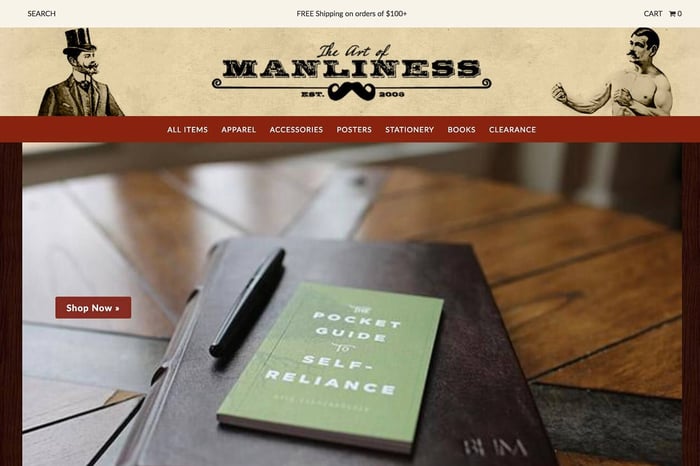
 Information is Beautiful - a website that often inspires us - blending design, typography and content layout[/caption] The Web: Probably the most relative to us web designers is taking a look at other websites. However, as a general rule try to only borrow or mimic certain aspects of someone else’s design. We want to be inspired to create something unique, not steal someone else’s design. Videos: Videos can also be a great source of inspiration - in most cases they are free to access and quick to digest. TED Talks is one of my favourite sources otherwise I just search YouTube and Vimeo. Vine is also worth checking out for short looping videos. Emotions: One’s feelings play such a large part in any type of creative works. The same can be applied to web design. Take what emotions you have towards a person, object, or place and try to convey that in your design. Colours are often associated with a certain emotion or meaning (red with love, anger, heat, etc.) so it is wise to keep that in mind. It may be a little weird at first but it does really help when trying to convey an overall feeling or message just by how the design looks. Using one source of inspiration in web design can be quite simple. It is the managing of multiple sources of inspiration that can prove to be challenging for many. Often I find that I need to draw inspiration from many different sources. For example I may find a certain colour scheme I want to use from a photograph, a certain style of typography from a print ad, and a design style from a website I’ve found. Therefore I create what I like to call ‘inspiration collections’. Keeping track of these collections and keeping them in an easily accessible place is important! I use Evernote to organise my collections. Once a few sources of inspiration have been established, jump right in. It is typical for me to start with the colour scheme first but you know what works best for you when designing. Remember that just because you have an idea, it may not always work out the way you planned. Always revert back to the source and study exactly what it is about it that inspired you in the first place.
Just remember…
Inspiration comes in any form imaginable and can happen at any time. Always get inspired before you start your next design, as that’s what will provide you with the most unique and most rewarding experience. Inspiration can only benefit you by pushing your design skills to your limits. After all, how is it possible for one to progress unless certain boundaries are pushed?